
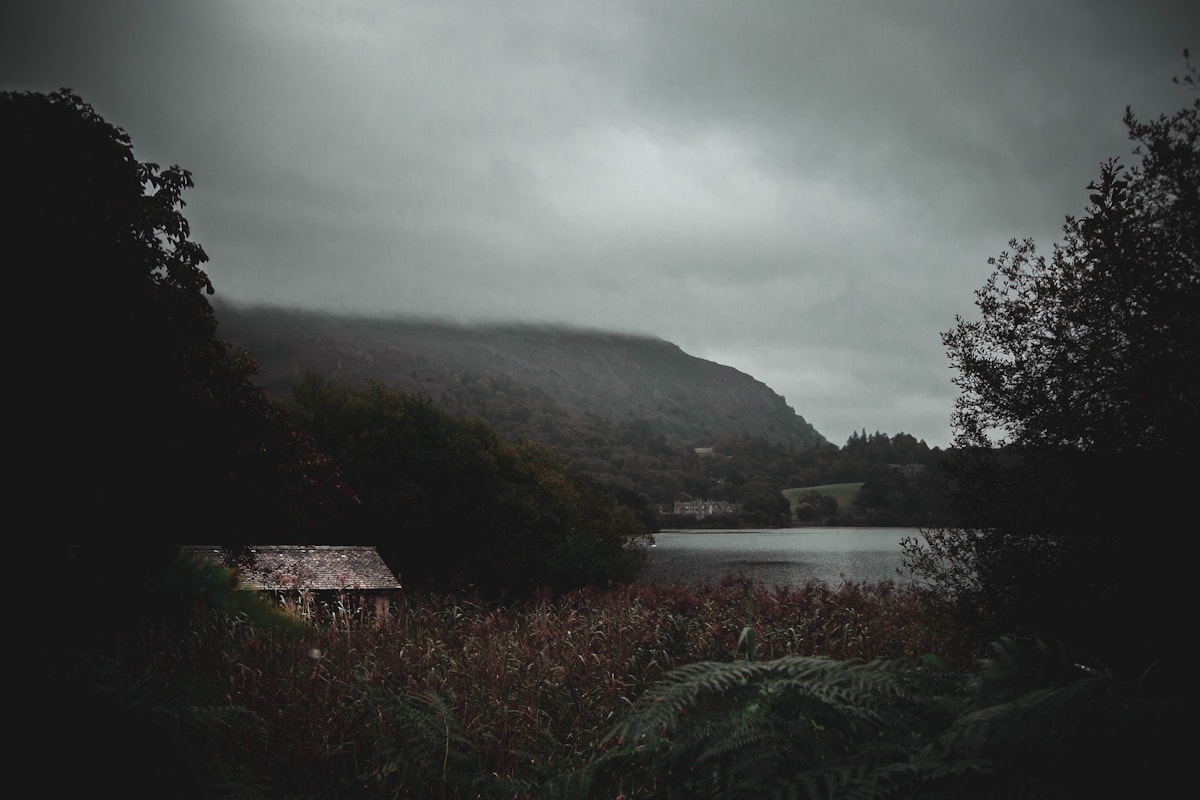
So what is dark cottagecore, really? Picture the storybook home, then dim the lamps, swap honey oak for smoked walnut, and let the mood settle into shadow. Think mossy quiet, candle smoke, and old linen. It is dark cottagecore interior design with teeth.
Defining the look as a moody aesthetic
At its core, this style pulls romantic rural cues, gardens, hand-stitched textiles, vintage crockery, then dresses them in low light and deeper pigment. The walls lean forest green, charcoal, dried-blood red, or peat brown. Wood reads warm but never blonde. Brass takes on patina rather than polish, and iron shows its forging marks. Texture does the heavy lifting in any honest read of the mood, with nubby wool against smooth fabric, raw plaster against waxed wood, dried herbs against rough-cut slate. Nothing should look freshly bought.

Lighting decides the whole story. Single bulbs in amber glass. Wax pillars in iron holders. A reading lamp pooled over a stack of weathered books. No overhead can lights blasting the ceiling flat. The light should feel earned, like you lit it yourself with a match. Furniture sits low and softened. A spindle chair with a sheepskin tossed over it. A claw-foot table scarred from years of dinners. A daybed in faded velvet under a pressed-fern frame. Layer rough wool throws across smoother linen sheets. Bring in dried thistle, hellebore, branches, anything that hints the woods are right outside the back door. Floors trend dark, either wide planks aged to near-black or slate with a worn nap of jute over the cold spots. Even the kitchen earns the mood with open shelves of mismatched crockery, hanging garlic braids, and copper pots dulled by use. The pantry hints at how this aesthetic plays out most lived-in, with glass jars of dried mushrooms, lavender bundles tied with twine, and beeswax tapers stacked in a tin.
How it differs from regular cottagecore and goth
Traditional cottagecore lives in cream cotton, sun-bleached florals, and pale honeyed wood. It reads as morning light on a flour-dusted counter, chickens in the yard, jam cooling on the sill. The darker version keeps the rural soul and the handmade reverence, then drops the curtain on the brightness. Same gingham, but in oxblood instead of buttercup. Same bread baking, but at midnight by oil lamp. Same foraged bouquet, but with hellebore and yarrow instead of daisies. The romance stays. The brightness goes. The handmade gospel stays louder than ever.

Goth interiors share the moody palette but live in a different world. Goth tends urban, architectural, dramatic. Lots of black lacquer, velvet, gilt mirrors, and operatic flourish. The darker rural look stays grounded in soil and pantry. It is rural first, dim second. Where goth goes baroque, the look stays humble. A pewter mug, not a chalice. A homespun apron on a hook, not a cape. The pieces could plausibly belong to a woman who never owned a phone. Dark academia is the other close cousin, but it leans library, tweed, leather-bound, and city-adjacent. This approach wants moss between worn pavers, not parquet under brogues. Witchcore overlaps too, though it cranks the occult and lets the rural setting fade. Hold the rural setting steady and the rest sorts itself out. Grandmillennial is brighter still, full of chintz and ruffle, where this aesthetic mutes those same instincts under shadow. Scandi noir gets close on palette but stays minimal and clean-lined, while the darker version piles texture and patina until the room feels truly inhabited and a little wild.
Bringing the look into a real room
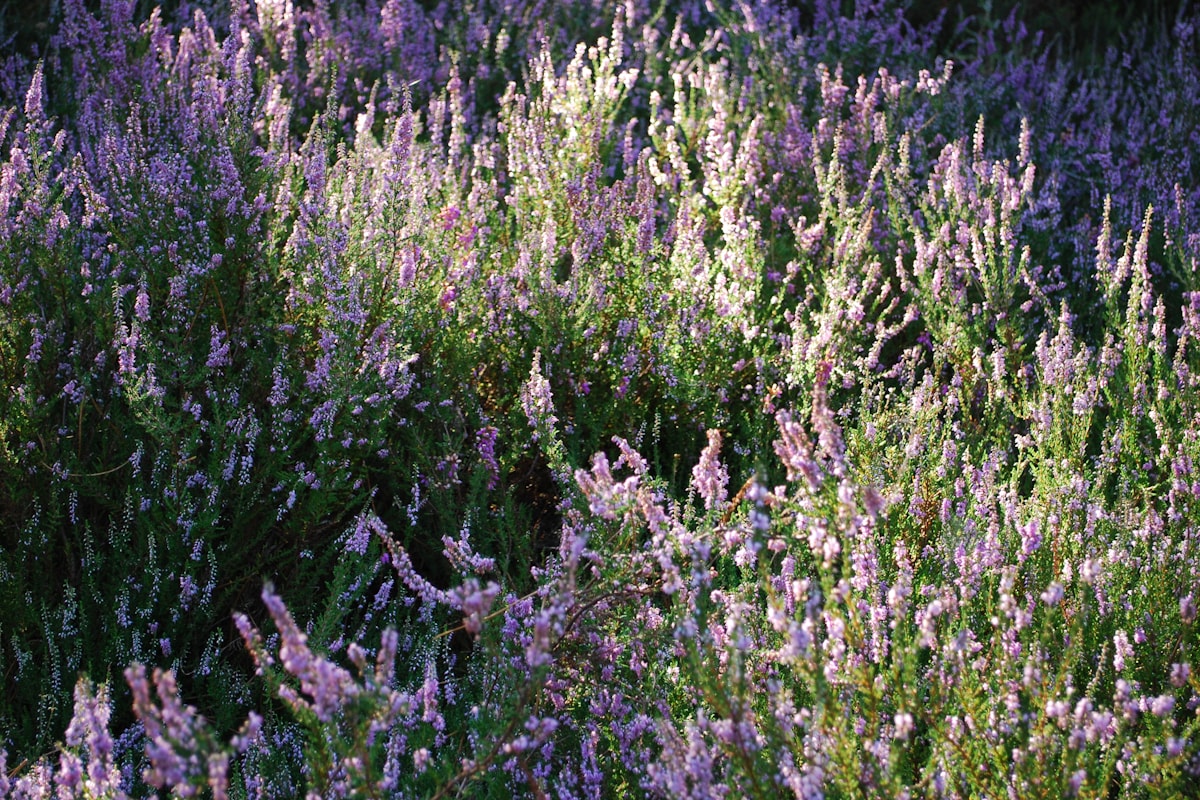
Start with paint, because nothing shifts a room faster when you want this approach to read true. Pick one deep, slightly green-leaning shade and carry it onto trim and ceiling for that enveloped feel. Then strip the lighting plan. Kill the overhead, or fit it with a smoked glass shade that only glows. Add three or four warm sources at eye level and below. Table lamps with parchment shades, sconces flanking the bed, a candle cluster on the mantel. Bring in old wood next. A scarred farm table, a chest with iron hardware, a chair you found at an estate sale that nobody else wanted. Soften everything with stacked textiles in wool, linen, and faded velvet. Choose one color story, mostly browns and greens with a single bruised note, plum or rust, repeating in pillows and a thrown blanket. Style the surfaces with intent. Pressed ferns under glass. A clay jug holding bare branches. A bowl of beeswax tapers waiting to be lit. Resist the urge to fill every shelf. Empty space reads as quiet, and quiet is the point of any honest take on the mood. Finish with smell, since the eye is only half the room. Cedar, beeswax, woodsmoke, a sprig of rosemary by the door.
So what is dark cottagecore once you actually live in it? A room that hums low. A space where the storm outside feels welcome and the inside feels older than it is. You stop reaching for the brightest switch. You start lighting candles before sundown. The look stops being decor and becomes a small daily ritual of slowing the house down, dimming the noise, and letting the woods press a little closer to the windows.