
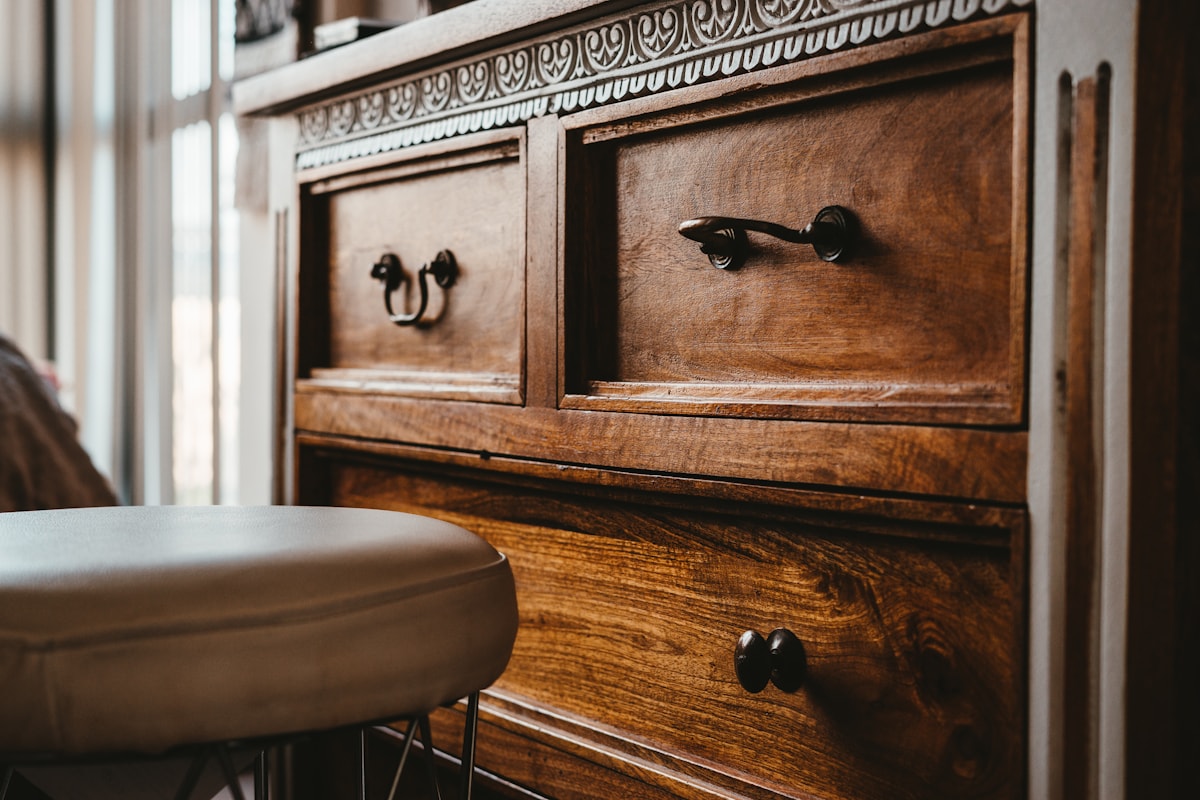
Dark cottagecore furniture lives in that low, candlelit corner of dark cottagecore interior design, where heavy oak, smoked iron, and tannin-stained linen replace the bleached pine of the brighter version. The look is quiet, dense, and a little gothic, with each piece earning its place through patina rather than polish.
What Counts In This Moody Cottage Style
Picture a piece you’d find in a thatched cottage lived in for two centuries, then imagine it darkened by woodsmoke, peat fires, and a few thousand winter evenings. That is the silhouette these pieces aim for. Hand-pegged joinery, turned legs, rush seats gone the color of strong tea, hinges forged rather than stamped. Nothing looks new, and nothing pretends to. The shapes stay simple, almost agrarian. Plank tops, trestle bases, ladderbacks with woven seats that sag in the middle from real use.
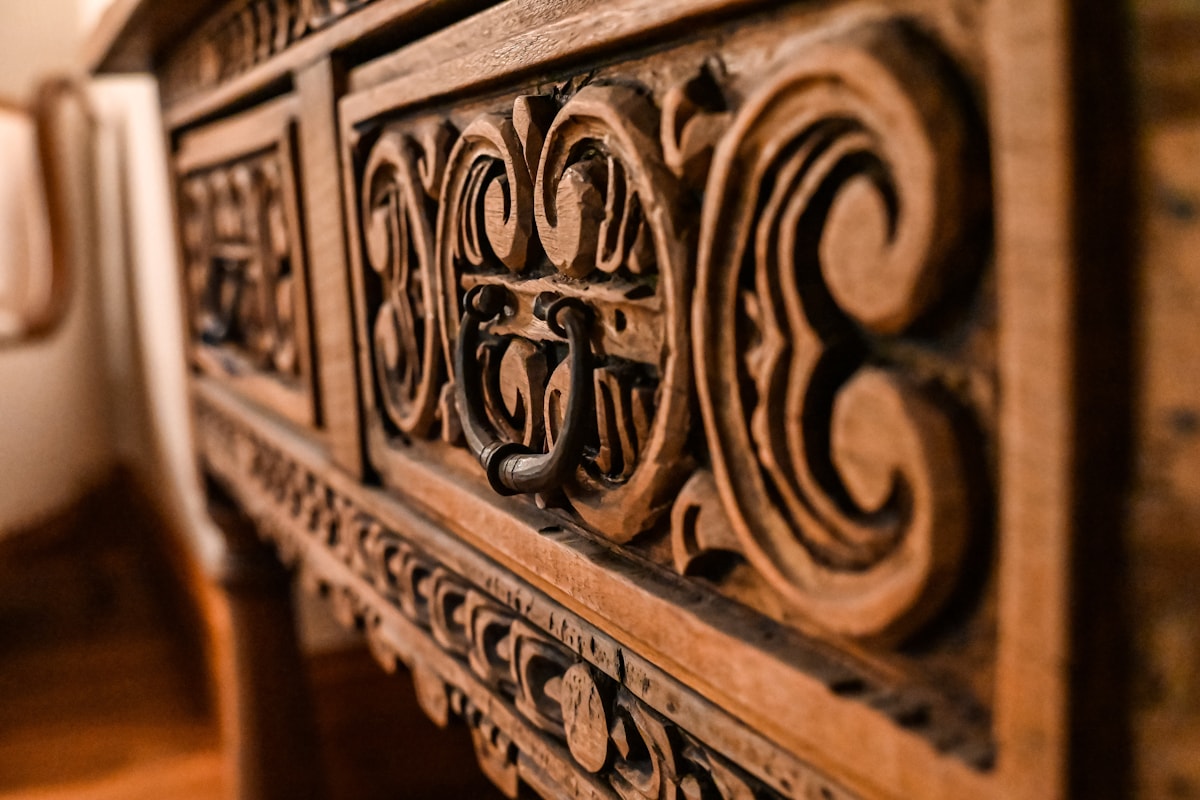
Wood tones in this style run from deep walnut to bog oak, sometimes ebonized with vinegar and iron until the grain reads almost black. Upholstery skews toward mulberry, burgundy, moss, ox-blood, and the particular brown of dried elderberry. Velvet shows up, but only the matte kind that drinks light rather than throwing it back. Wool is felted, linen is slubby, and leather is allowed to crack at the corners where elbows have rested. Joinery is visible. Dovetails, mortise pegs, and the slightly uneven edges of a piece that was planed by hand all read as features rather than flaws. Scale matters too. A proper chair sits low, with a generous seat and a back you can actually slump against after a long walk through wet grass. Hardware should look forged. Iron pulls with a hammered face, latches that clack rather than glide, hinges with visible pins. A cabinet door that swings a little heavy is closer to right than one that floats on soft-close hardware. Even the smell counts, with beeswax polish, old paper, and a faint trace of woodsmoke baked into the grain.
The Moody Style Versus Its Lighter Cousin
Standard cottagecore leans creamy, while the moody version pulls in the opposite direction. Painted dressers in chalky whites, a ladderback chair with faded floral cushions, daylight pouring through gingham. The darker take keeps the bones, the same farmhouse shapes, the same handmade feeling, but strips out the brightness. Where the lighter palette feels like a sun-warmed kitchen at noon, this one feels like that same kitchen at ten in the evening, with one lamp lit and the kettle still warm. Flowers are still allowed, just dried rather than fresh, hung from the ceiling beam instead of stuffed into a milk jug.
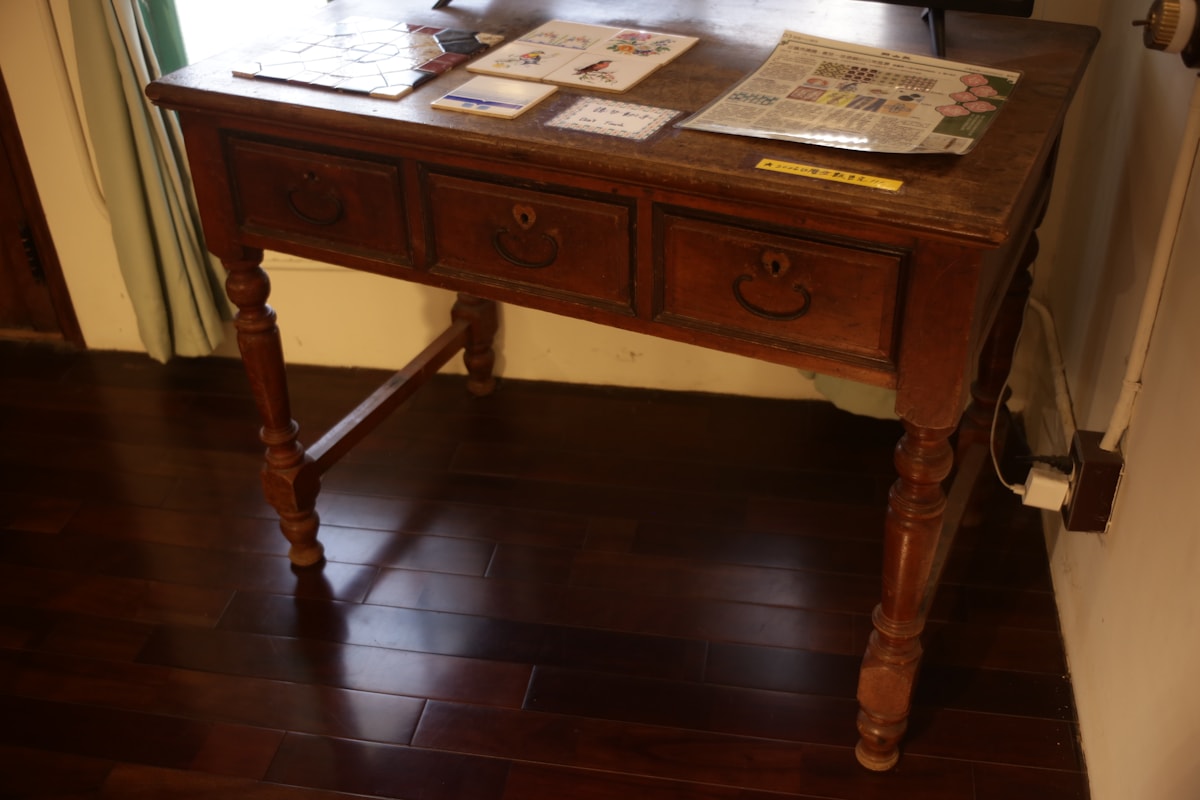
Gothic interiors overlap with this approach but push harder. Pointed arches, carved trefoils, the kind of detailing you’d expect in a chapel. The cottage version stays humble. A spindle-back chair, a plank-top table, a low chest with iron straps. No drama, just weight. Compared to dark academia, which loves leather club chairs and brass library lamps, the aesthetic here prefers homespun textiles and forged hardware. Compared to modern farmhouse, it refuses anything shiplapped, sanded smooth, or factory-distressed. Patina has to be earned. A nicked tabletop here is the result of three generations of bread being kneaded on it, not a belt sander run by someone in a warehouse last Tuesday. The difference shows in how the pieces age. A genuine antique gets softer at the edges and harder in the grain over the years. A factory copy gets sadder, splits along the seams, and starts to look every bit of its low price. That patience with time is the whole argument for choosing real antique pieces over a cheaper lookalike.
Using The Look In A Real Room
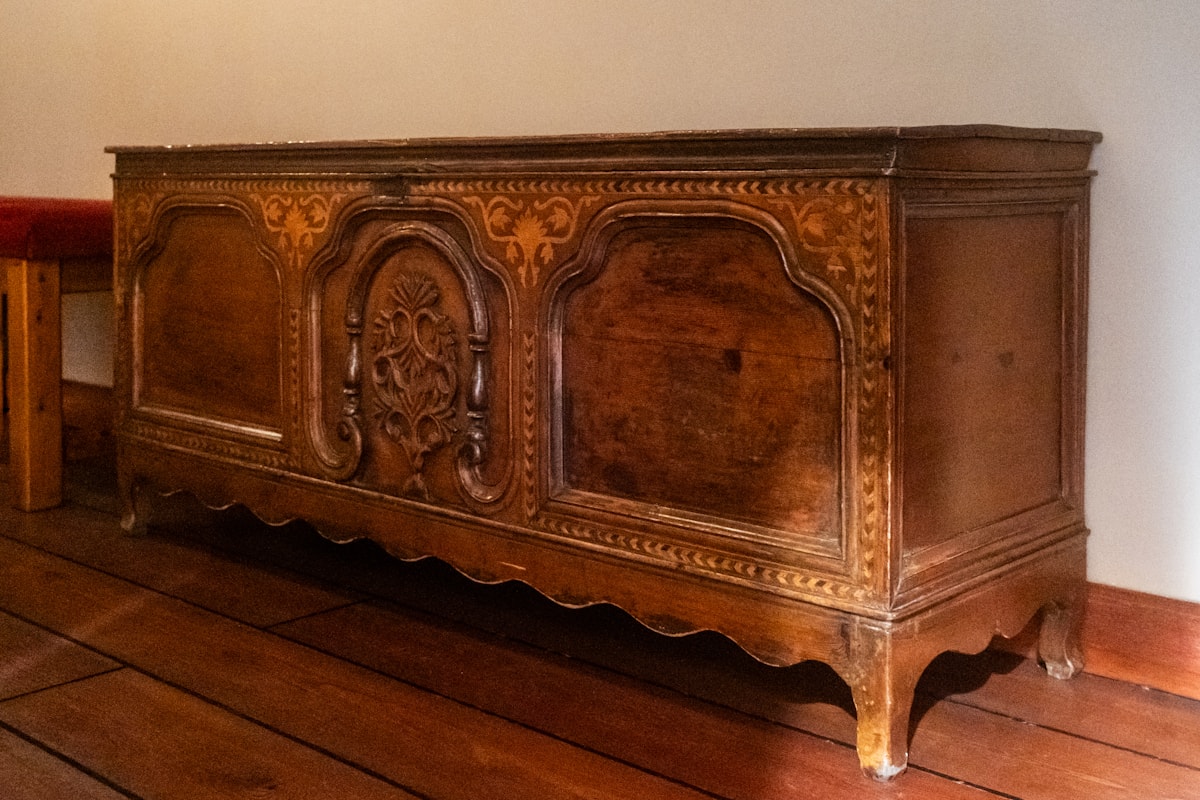
Start with one anchor piece. A long farmhouse table in scorched oak, or a settle bench with a high back and a hinged storage seat. Build outward from there. Pair the anchor with mismatched chairs, ideally three or four different silhouettes, all in deep wood tones. Mismatched works because nothing in a real old cottage ever matched either. Add a low cupboard with a bottle-glass front, the kind where the panes warp the candlelight behind them. Layer in textiles that look like they have been washed in well water. A wool runner across the table, a linen throw over the bench, a sheepskin folded on a stool by the hearth. Lighting needs to come in low, near eye level when you are seated. Brass sconces on dimmers, a single pendant over the table, beeswax candles in iron holders. Skip overhead lighting entirely if the room allows it. Floors should stay dark too. Original boards if you have them, or wide planks oiled rather than poly-coated, finished with a rag rug or two in faded madder red. Walls work best in deep clay, charcoal, or that mossy green that reads almost black at dusk. Keep the surfaces working. A bowl of walnuts, a stack of foxed books, a clay pitcher with dried yarrow tipping out the top.
Done well, this approach makes a room feel held rather than decorated. The pieces look like they belong to the building, the building looks like it belongs to the land outside, and the whole thing reads as one continuous thought rather than a collection of purchases. Live with it for a season before you add anything else. Most rooms in this style get better with restraint and worse with another antique shop run on a Saturday afternoon.