
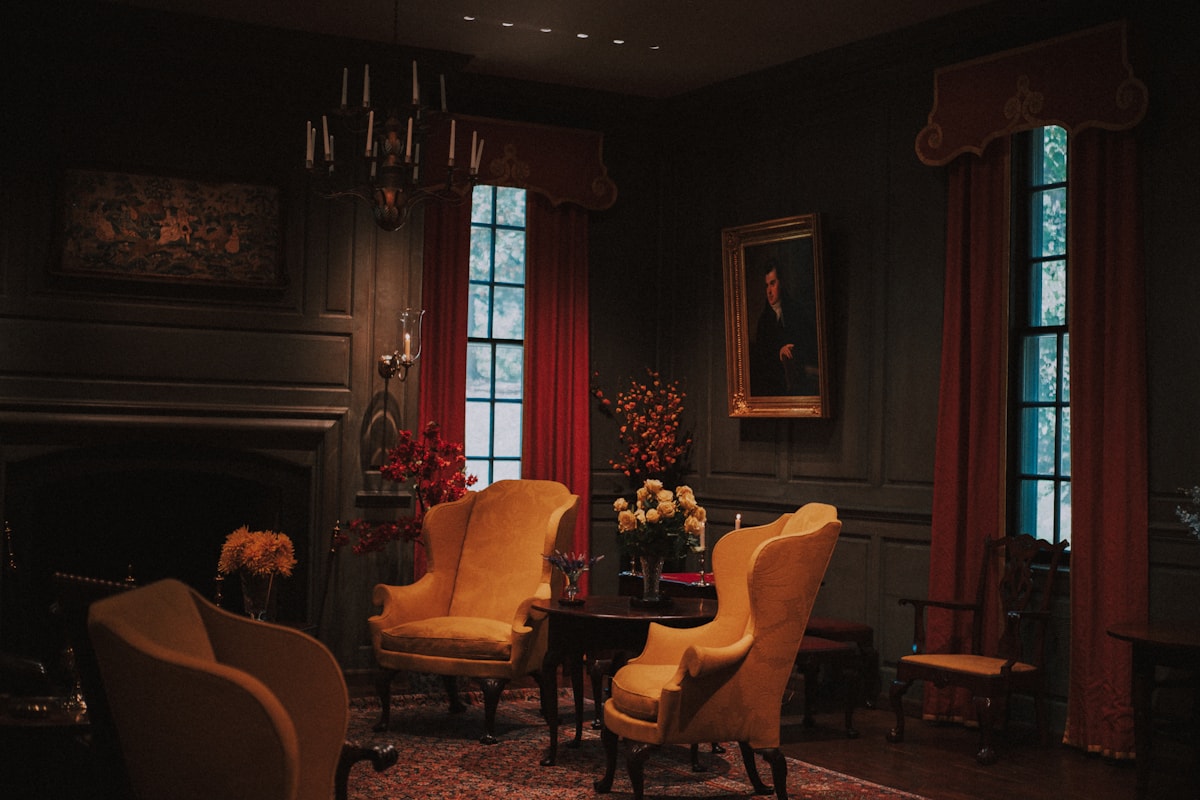
The best dark cottagecore living room ideas borrow from candlelit cottages and forest light, then sit those moods inside a real home. This piece pulls from dark cottagecore interior design and shows how the look actually lives day to day.
What the look actually means
Strip away the moodboards and you find something quieter. A dark cottagecore parlor leans on deep greens, peat browns, oxblood, smoked plaster, and matte black trim. Surfaces feel hand worked. Linen slubs, the chip of an old chestnut beam, a wool rug worn thin in the walking path, a single tallow candle burning on the mantel through a gray afternoon. Light stays low and warm, never flat. The space reads like an old gardener pulled chairs around the hearth and forgot to redecorate for forty years, but every choice was on purpose.
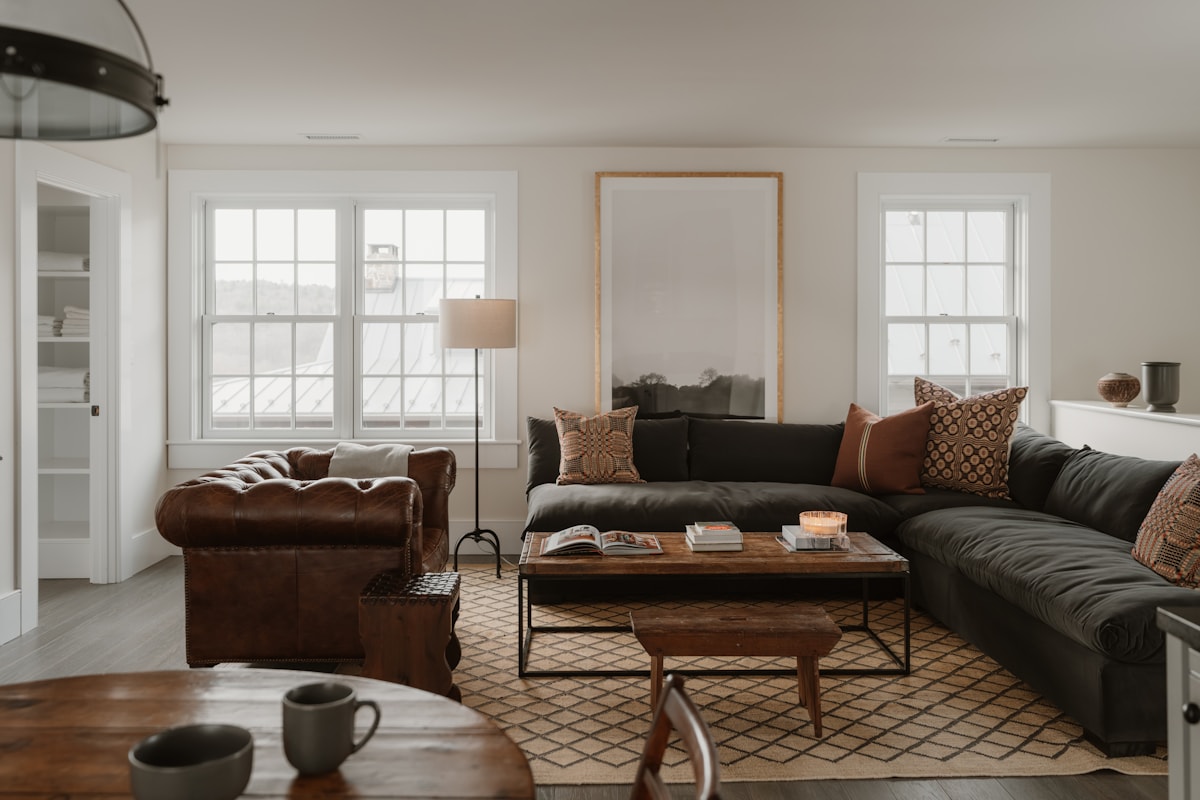
The color palette does most of the work. Walls take a clay based paint in mushroom or moss, usually two tones deep, with a chalky finish that drinks light. Trim goes darker still, almost charcoal, so the moldings sink instead of frame. Ceilings drop a half shade for that low cottage feel, even if the actual ceiling is nine feet tall. For sofas, look at heavy nubby weaves in pine or rust, slipcovered cotton in faded ink, and old velvet that has lost its sheen and now reads almost suede. Most of these rooms live or die on the fabric work, so layer a hemp area rug under a smaller wool one, drape a faded quilt across one arm, and stack two pillow covers in mismatched pattern. Keep cushion stuffing soft and a little flattened. The whole effect should feel collected over years, like a place where a sleeping cat is permanent, not bought on a Tuesday afternoon at one shop.
How this style compares to goth, dark academia, and modern moody rooms
People lump these looks together and rooms come out muddled. Goth interiors lean industrial and graphic. Hard blacks, mirrored surfaces, sharp lines, often a single hero piece like a velvet chesterfield against bare brick or a heavy iron candelabra near the window. The vibe is theatrical and a little cold. Dark academia tilts scholarly instead. Walls of leather spines, brass table lamps, oxblood and forest green, tweedy upholstery, a battered globe in the corner, stacks of paper everywhere. Modern moody is sleeker still. Wide plank floors stained almost black, low slung furniture, plaster fireplaces with no mantel, mohair in mossy tones, almost no clutter on the surfaces and very little pattern in the upholstery.
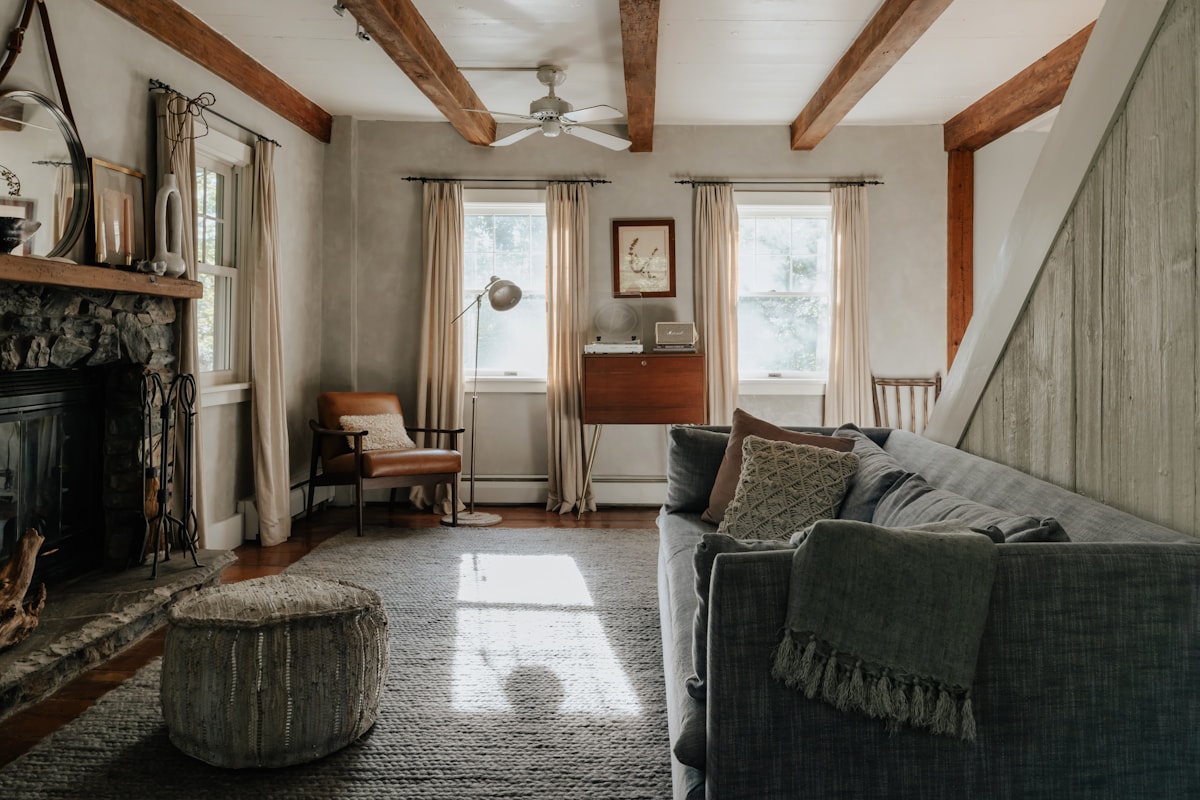
The witchy, rustic version keeps the soft handmade soul of the brighter cottagecore aesthetic. Garden cuttings on a small end stand, chipped enamelware on the mantel, a basket of kindling by the hearth, faded botanical prints in tarnished frames, a small stack of seed catalogs going yellow at the corners. Curves win over corners. Skirted sofas, scalloped lampshades, a hutch with peeling paint, a low rocker pulled close to the fire, a footstool in needlepoint florals. The palette is the real divider between this approach and every other moody style. Instead of cream and butter yellow, you reach for steeped tea, ivy, dried blood, mossy bark, and the gray brown of a wet stone wall after a long rain. Done well, the whole thing feels like a winter afternoon with rain on leaded windows and the kettle whistling somewhere out of view.
Applying the approach in a real space
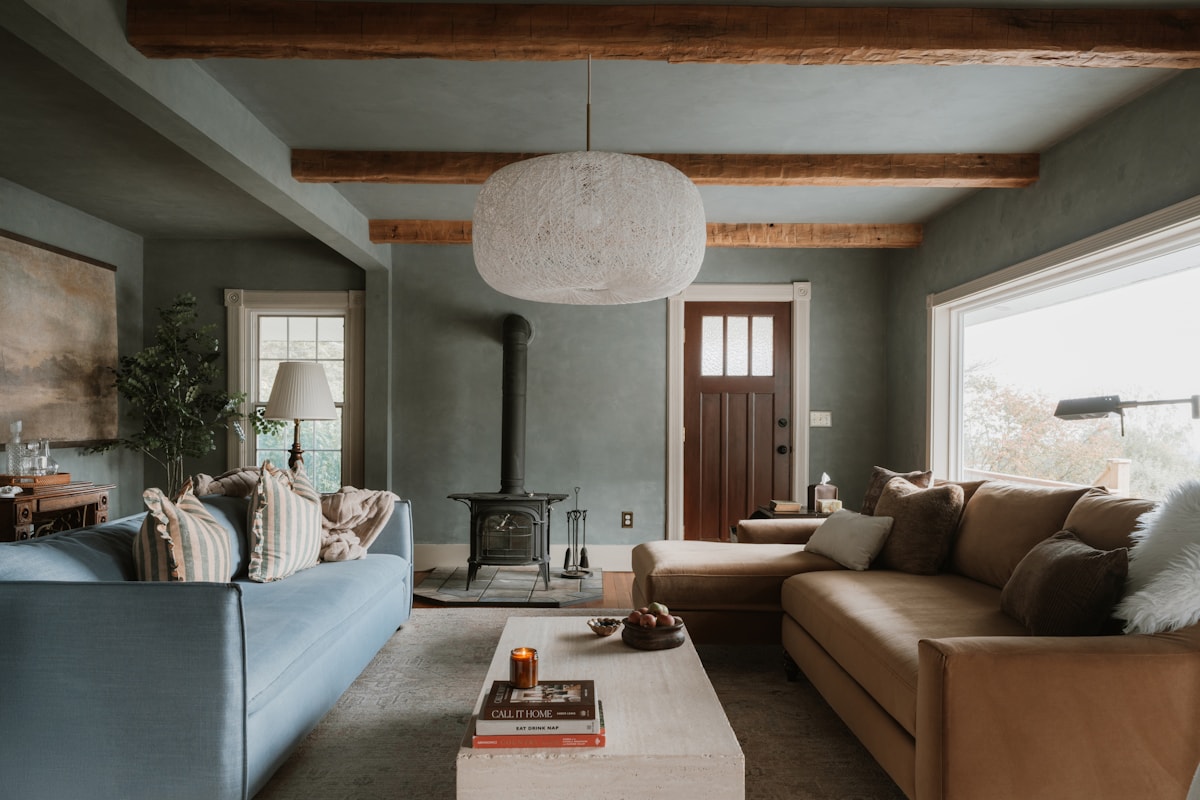
Start with the walls and the floor because everything else reacts to them. Pick a deep matte paint and roll a test patch a square meter wide. Live with it for three days through morning and evening light before you commit, and check it again under lamp light. Sand and oil the floors if they are timber, or layer two large natural fiber rugs if they are not. Bring in the seating next. One generous sofa in a slubby pine green, a wing chair pulled close in faded brick, a low ottoman draped with a wool throw. Add a worn leather club chair if the parlor can take it. For lighting, skip the ceiling fixture and work in tiers. A floor lamp with a parchment shade by the reading chair, a small brass picture light over a framed fern, a pair of stubby candles on the mantel, a table lamp on a stack of cloth bound books. Most of these rooms fail at the small stuff, so finish slowly. Pressed ferns in old frames, a stoneware jug holding eucalyptus, a wood bowl of windfall apples, a folded quilt on the arm of the sofa. Step back at dusk, let the wicks burn for ten minutes, and the room should glow from inside out.
The trick with the whole approach is restraint inside the romance. Pick three core colors and let them carry every textile and surface. Keep one quiet corner free of pattern so the eye has a place to rest. Add things slowly, only what you would happily keep for ten years. The lounge will deepen with use, gather a little dust on the picture frames, soften where hands have touched the chair backs, and start to feel like it has always been there.