
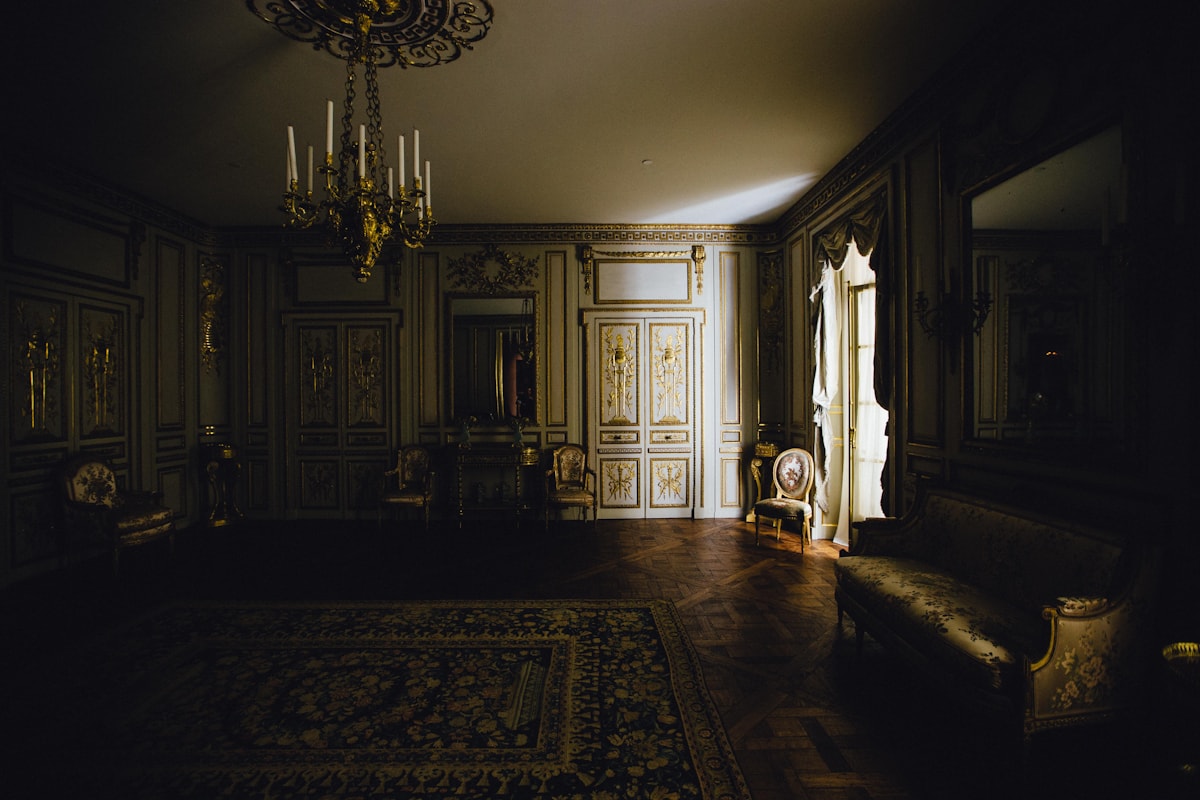
The dark academia vs cottagecore conversation usually starts in the same place: candlelight, old wood, and rooms that feel quietly told. Both share a moody DNA, then diverge fast, which is why dark cottagecore interior design sits comfortably between them.
What the matchup actually is
Both rooms grew out of a craving for tactile, slow spaces. Each pulls from old libraries, hand-mended textiles, foxed paper, beeswax, and a respect for objects that have already lived a few years. The split shows up the second you ask what a room is actually for. One side is about study and ceremony, the kind of space where you sit down with one task. The other is about gathering, feeding people, and rest. One leans on ink, leather, and ledger green. The other leans on jam jars, pressed herbs, and bread cooling on a board.
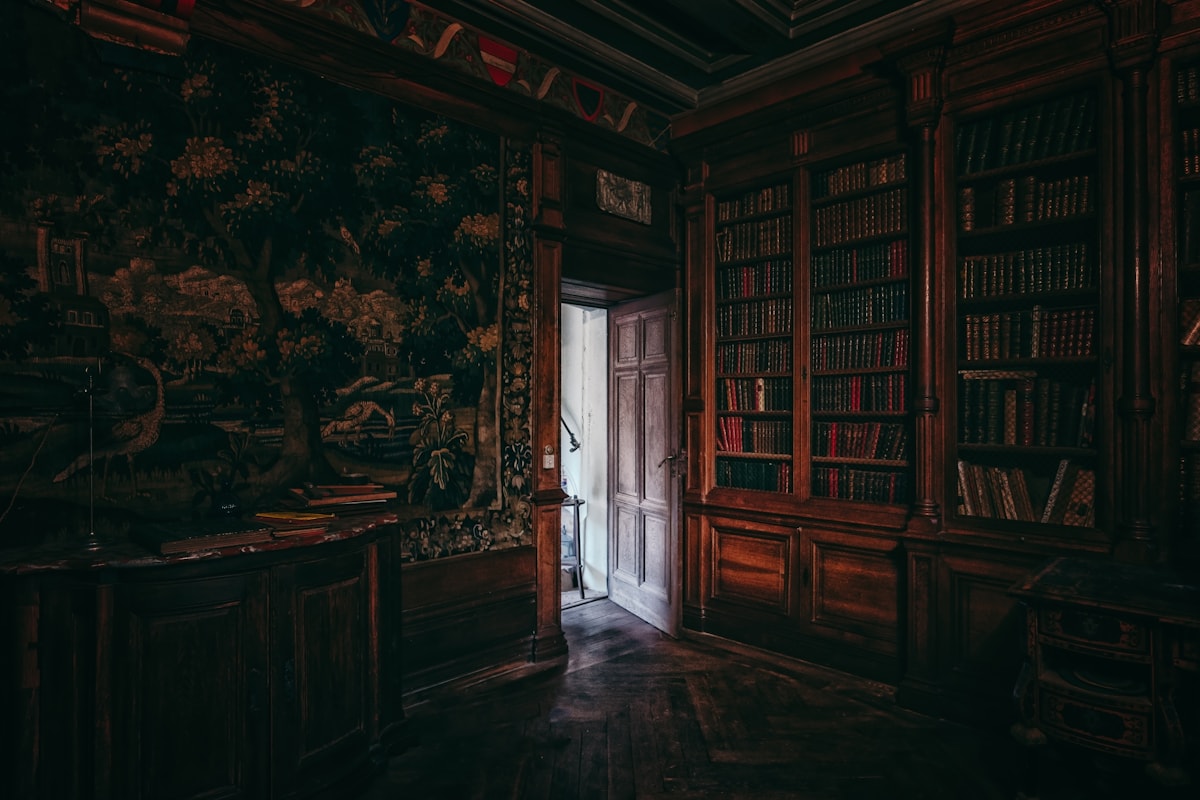
Look at materials and the divide gets clearer. Academia loves quartersawn oak, brass, smoked glass, oxblood leather, and stacks of cloth-bound books with cracked spines. The cottage side loves whitewashed pine, enamelware, slipware pottery, gingham scraps, and quilts that have already lived a few lives. Light works differently too. The academic room hoards shadow, with one warm pool of lamplight at the desk and the rest of the space left ink-blue. The cottage room spreads soft daylight across the whole floor, bouncing it off lime plaster and worn floorboards.
Color does the rest of the sorting. Academia keeps a tight palette: oxblood, forest, walnut, ivory, brass. The rural side opens up: butter yellow, hedgerow green, milk white, dried-rose pink, soft wheat. Sit those palettes next to each other and you can feel the temperature drop on the academic side and warm up on the country side. That temperature gap is the truest reading of the dark academia vs cottagecore split, because every other choice (textile, lighting, art, even smell) lines up behind it.
How the matchup compares to light, heavy, and modern moody rooms
Set the dark academia vs cottagecore contrast against light country first. Light country reads as all sun-faded floral, open windows, jugs of wildflowers, sheer cotton at the windows, and pale wood furniture. It reads cheerful and a little nostalgic, almost picnic-bright. The tension partly resolves there: a sunlit version is what you get when you strip out the moody half entirely and let in the morning. Beautiful, but it loses the hush. Traditional gothic interiors pull the opposite way: pointed arches, deep carved oak, stained glass, heavy velvet drapery, iron candlesticks, and a real sense of weight on every surface. That look is theatrical where academia is studious, more cathedral than reading room.
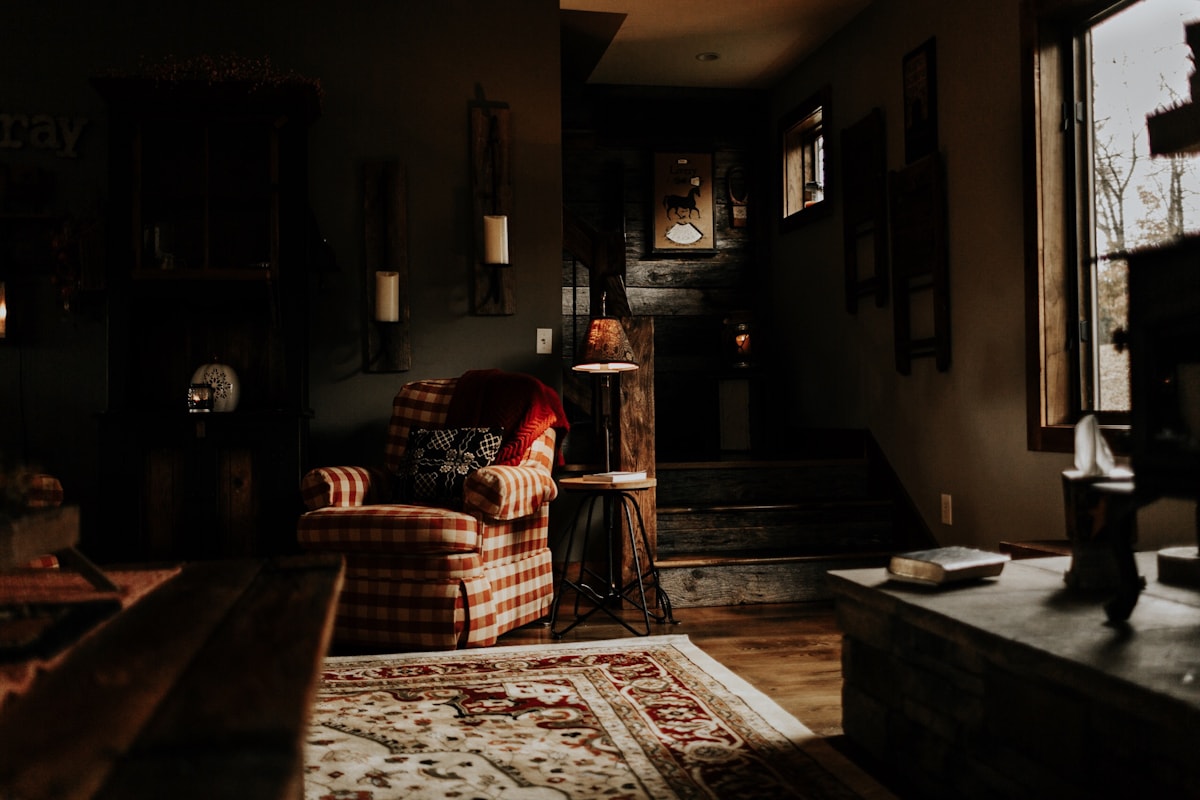
Modern moody is the cleaner cousin. Think charcoal walls, blackened steel, raw plaster, a single sculptural chair, and almost no pattern at all. It borrows the dim palette of academia and the handmade pottery of country life, but cuts the clutter and the sentiment. If academia is a tutor’s study and the rural look is a baker’s kitchen, modern moody is the gallerist’s loft that quotes both with very few words. There is also dark cottagecore itself, the literal middle of the map. It keeps the hand-loomed cloth, the dried flowers, the bread board, and the slipware, then dims the palette to bracken, mushroom, ink, and dried rose. Same warmth, lower light, the same handmade objects. That blend is usually the easiest exit from the standoff because it refuses to pick a single mood and trusts that warmth and shadow can sit at the same table.
How to choose or blend the two in a real room
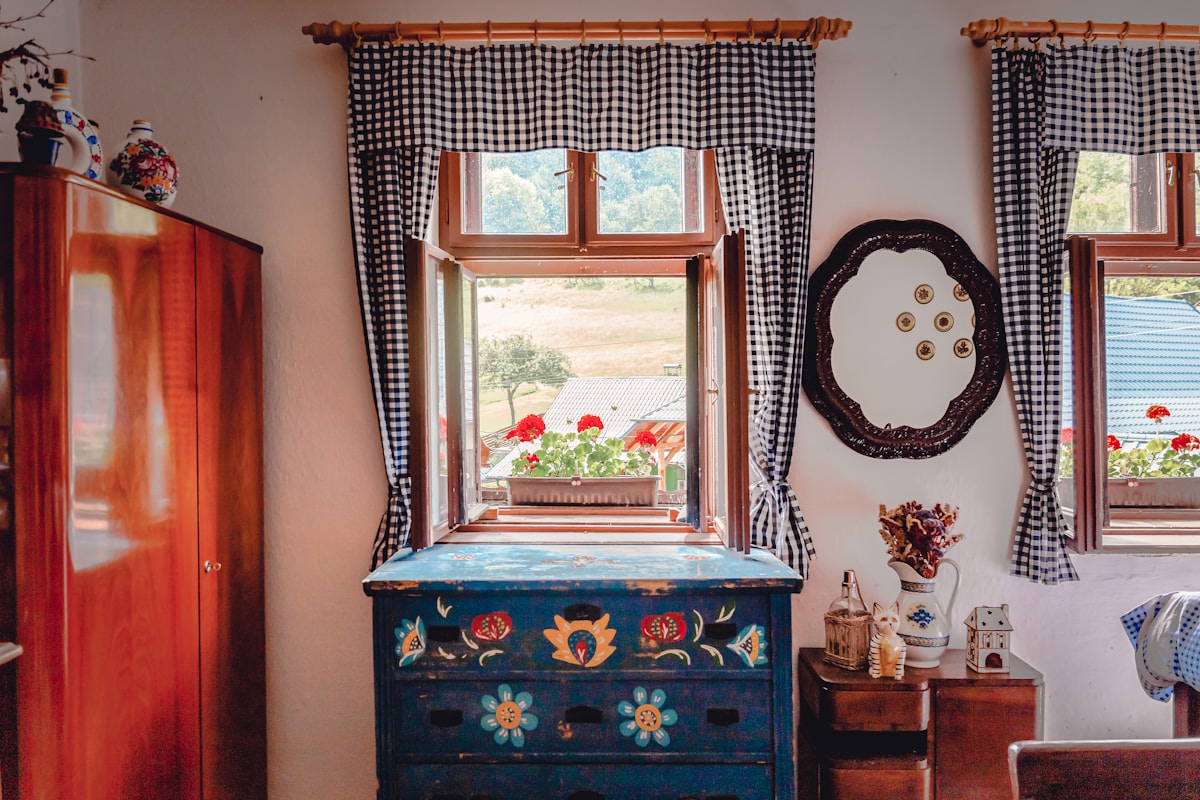
Start with how the room is used most days. If you actually read, write, or work in it for long stretches, lean academic. Pull the walls into a deep mineral green or warm brown, hang one good brass picture light over a desk, and let the rest of the room sit in shadow. Floor a tight wool rug, stack books on every surface, and keep upholstery in oxblood or worn black hide. If the room is for cooking, eating, mending, or hosting people who linger past dessert, lean rural. Whitewash or limewash the walls, keep curtains unlined and floor-length in heavy cloth, and bring in a long scrubbed table that takes scratches gracefully. Hang dried hops or yarrow from a beam and keep a bowl of lemons out.
For a blend, hold the country furniture shapes (long table, ladderback chairs, painted dresser) and dim the colors to academic values. Swap cream walls for clay-bracken, swap floral cotton for plain heavy fabric, swap shiny brass for darker oil-rubbed bronze, and swap white china for ironstone in earth colors. Add one wall of books to anchor the scholarly side, then let foraged twigs in a stoneware jug carry the rural half across the table. That single recipe answers the dark academia vs cottagecore question without forcing a winner.
The honest read is that you rarely need to pick a side. Most people want the long table and the wall of books, the unbleached curtains and the green lampshade, the bread board and the leather chair. Let the room’s daily job set the dominant mood, then borrow freely from the other side for warmth or weight. Keep the palette tight, the textiles real, the lighting low and pooled. That is the quiet, lived-in result both aesthetics were chasing all along.